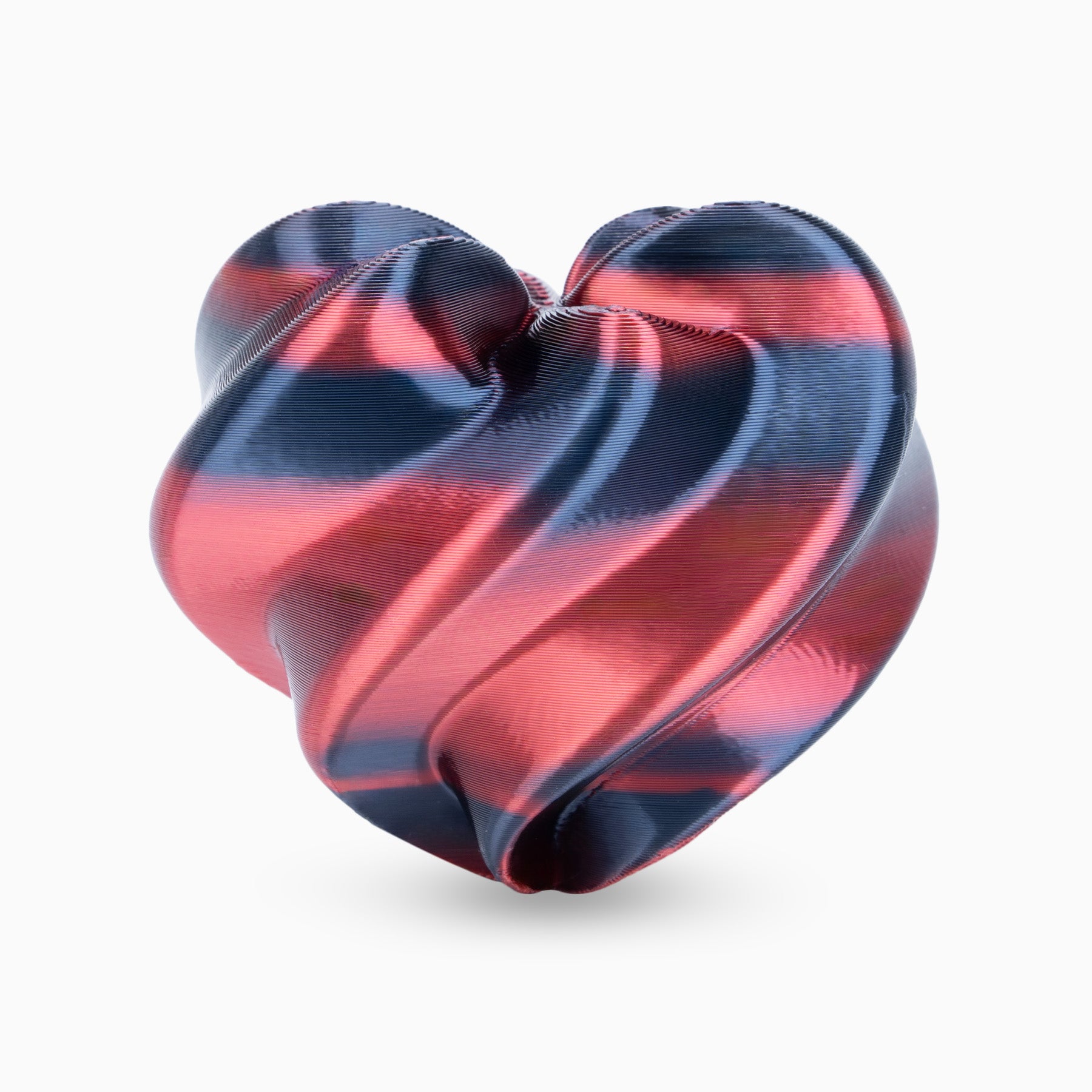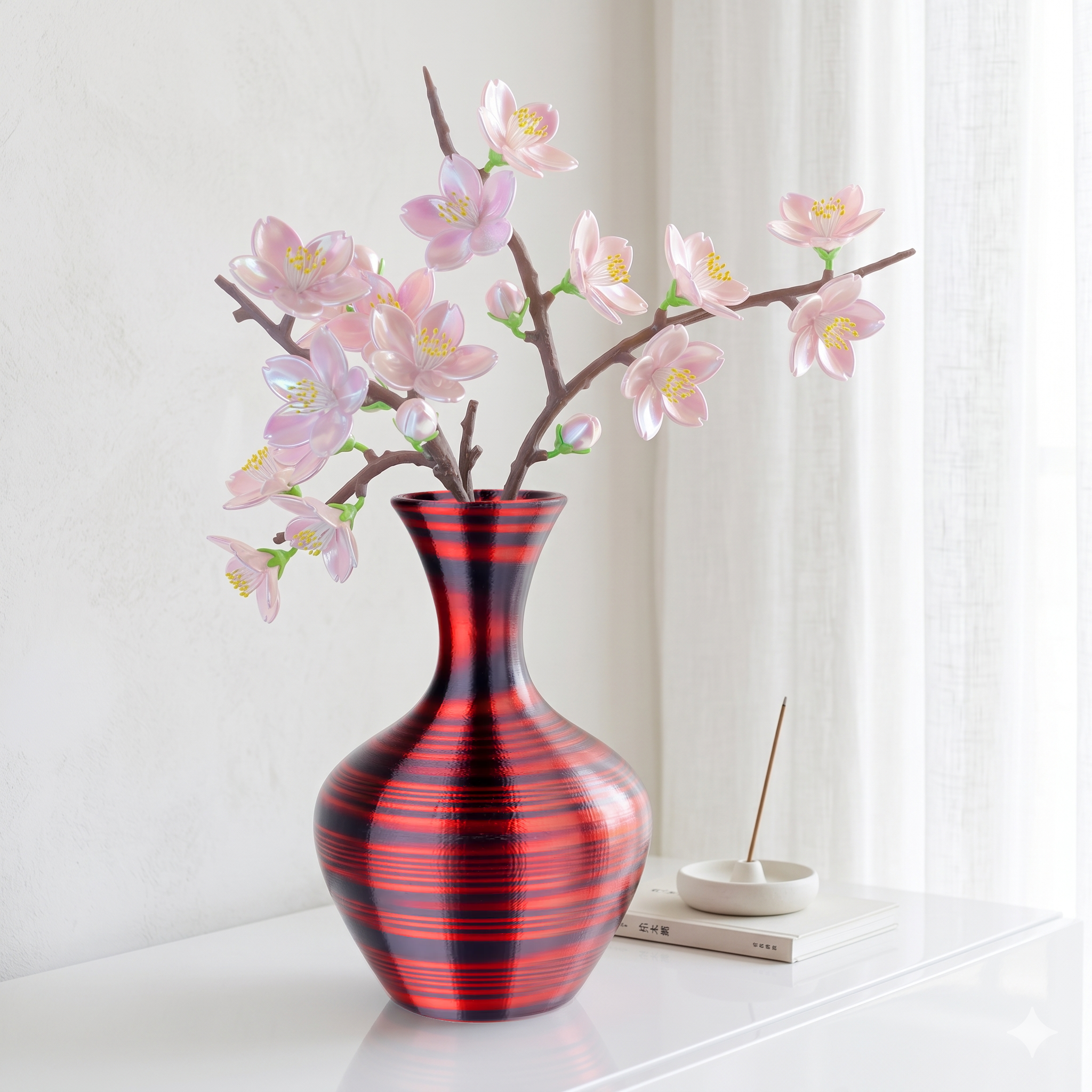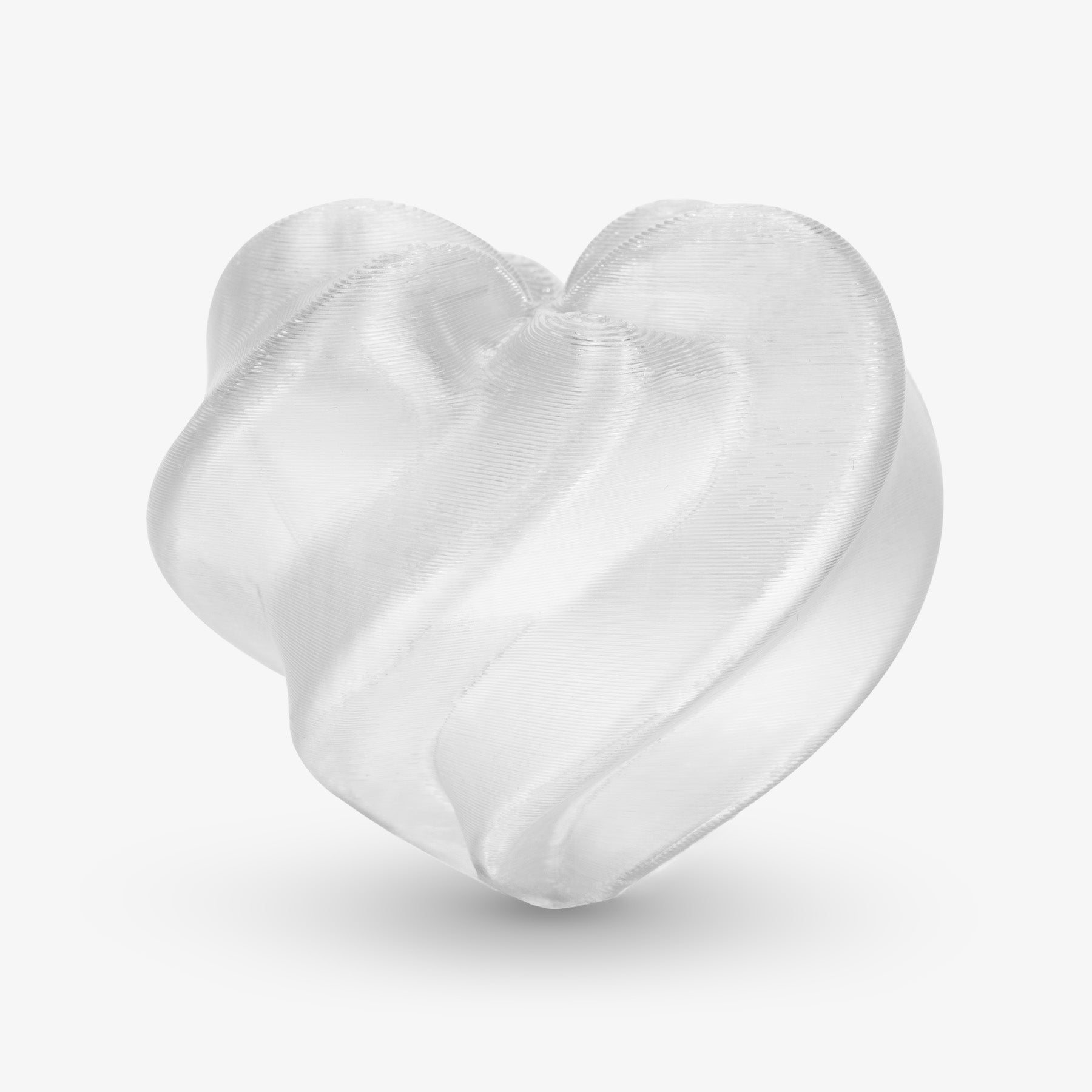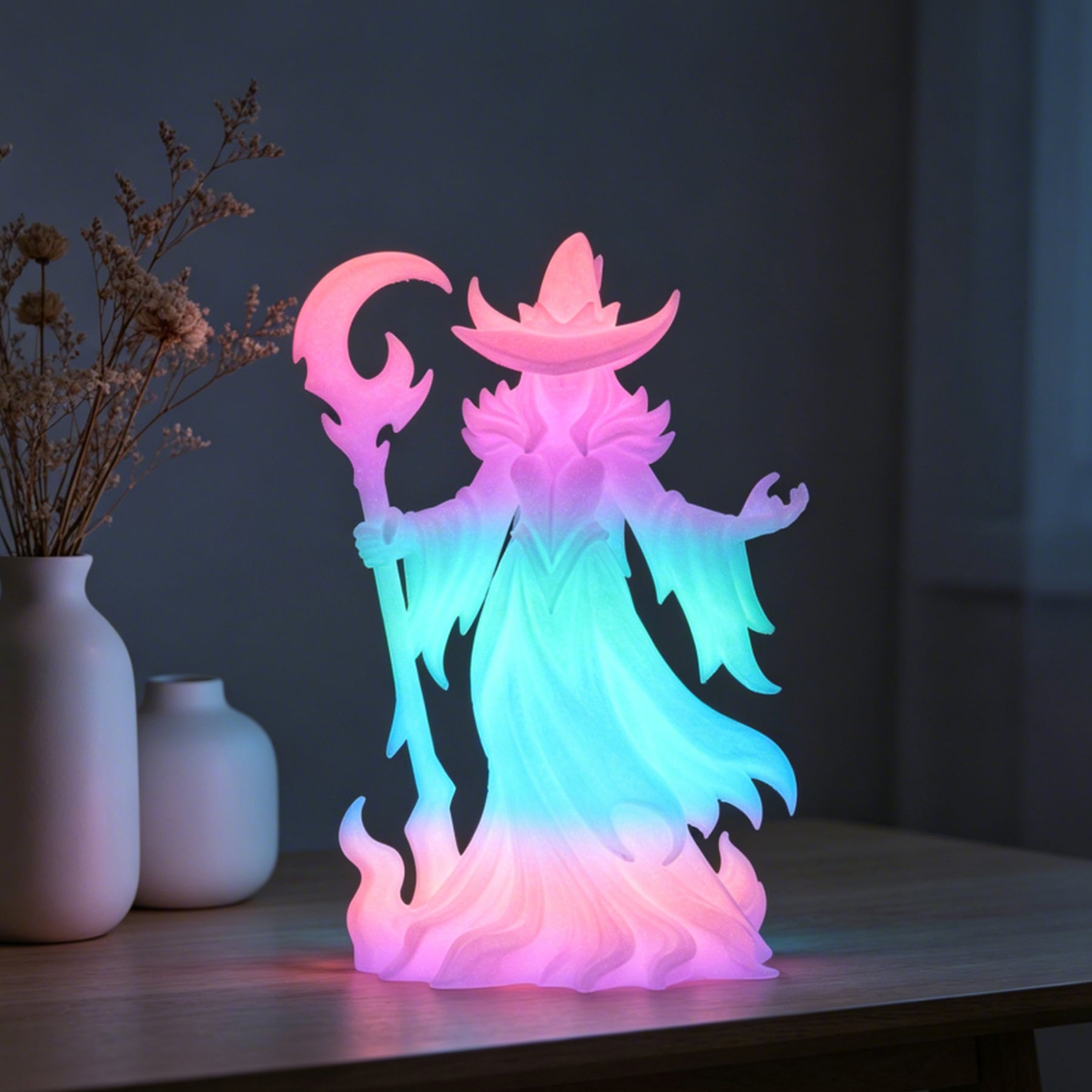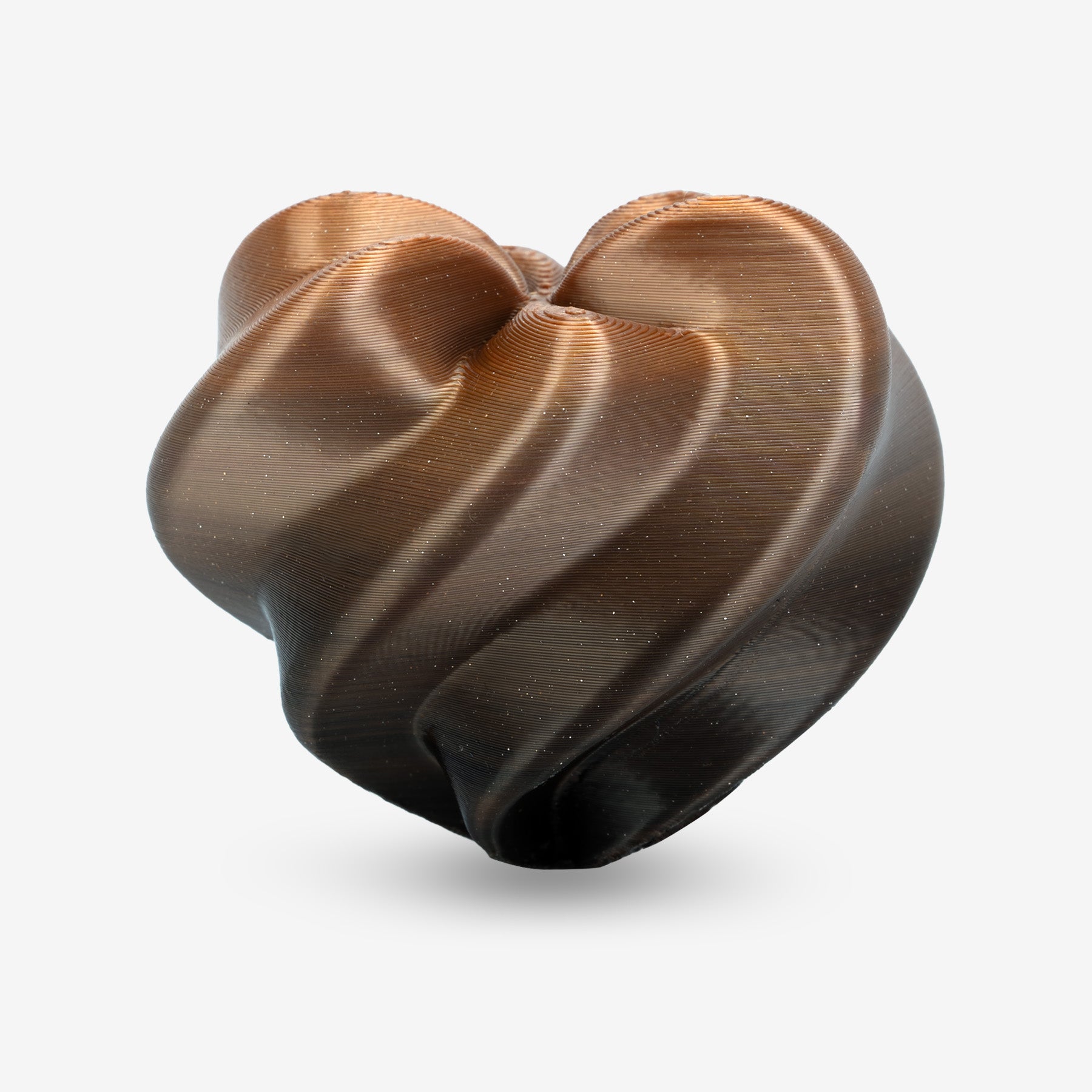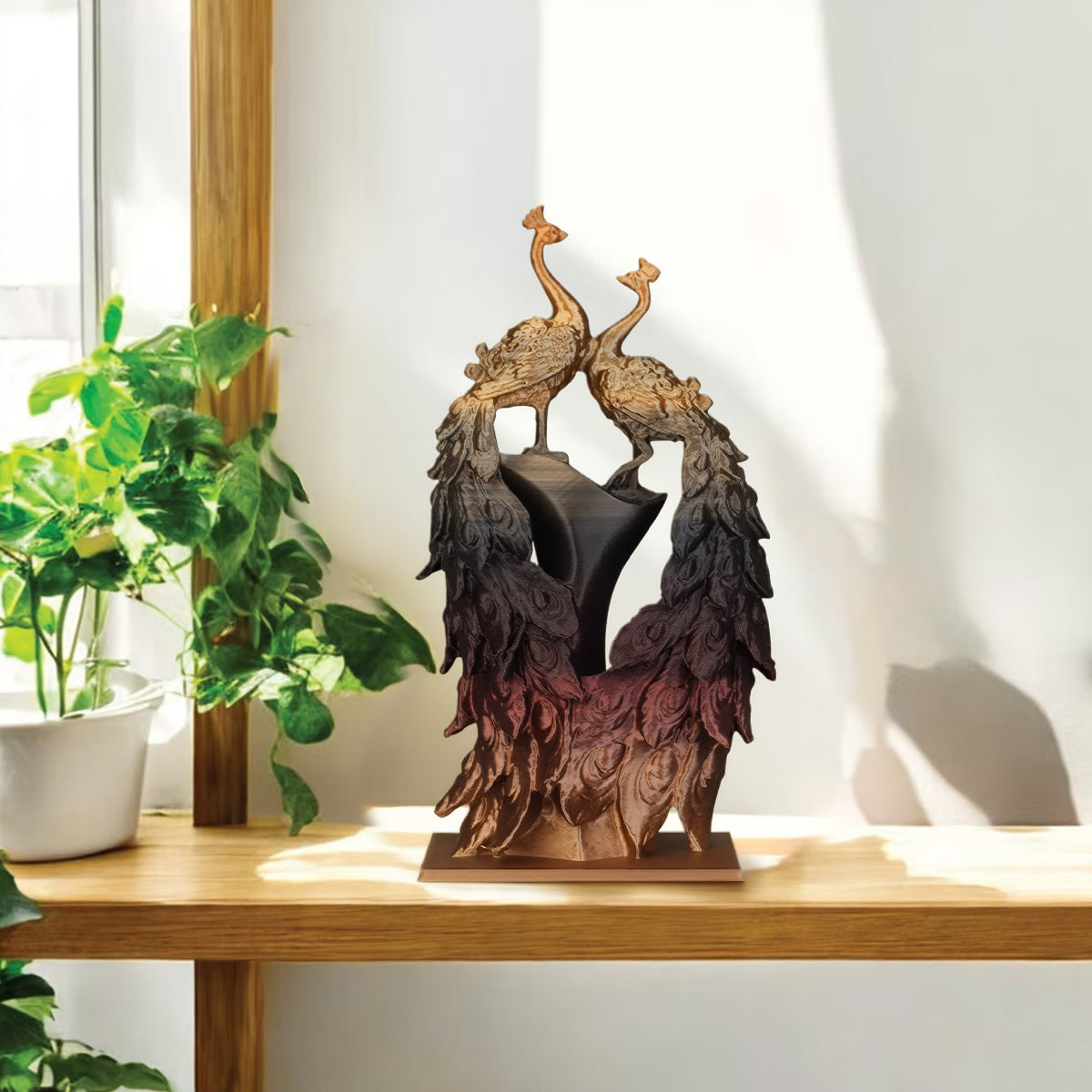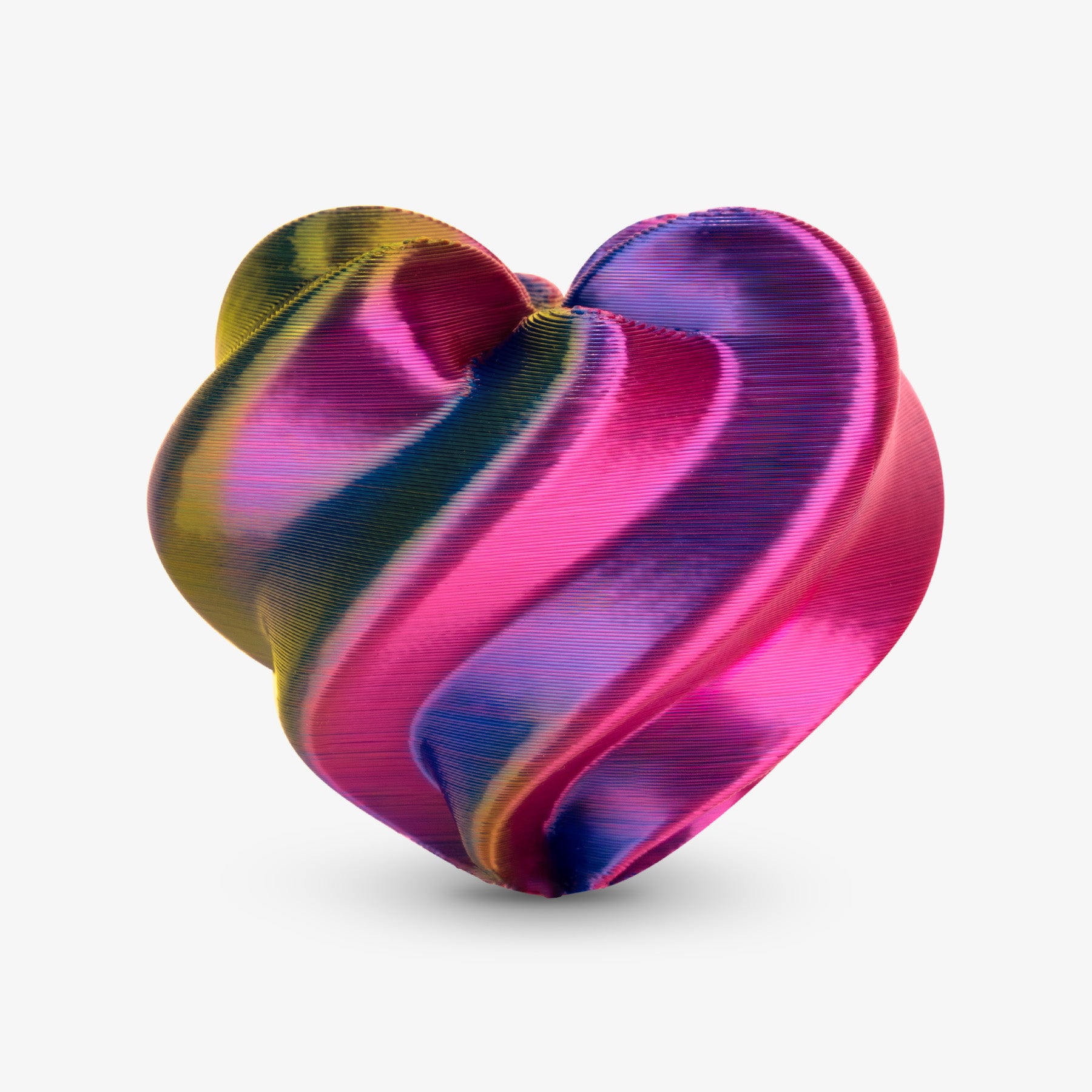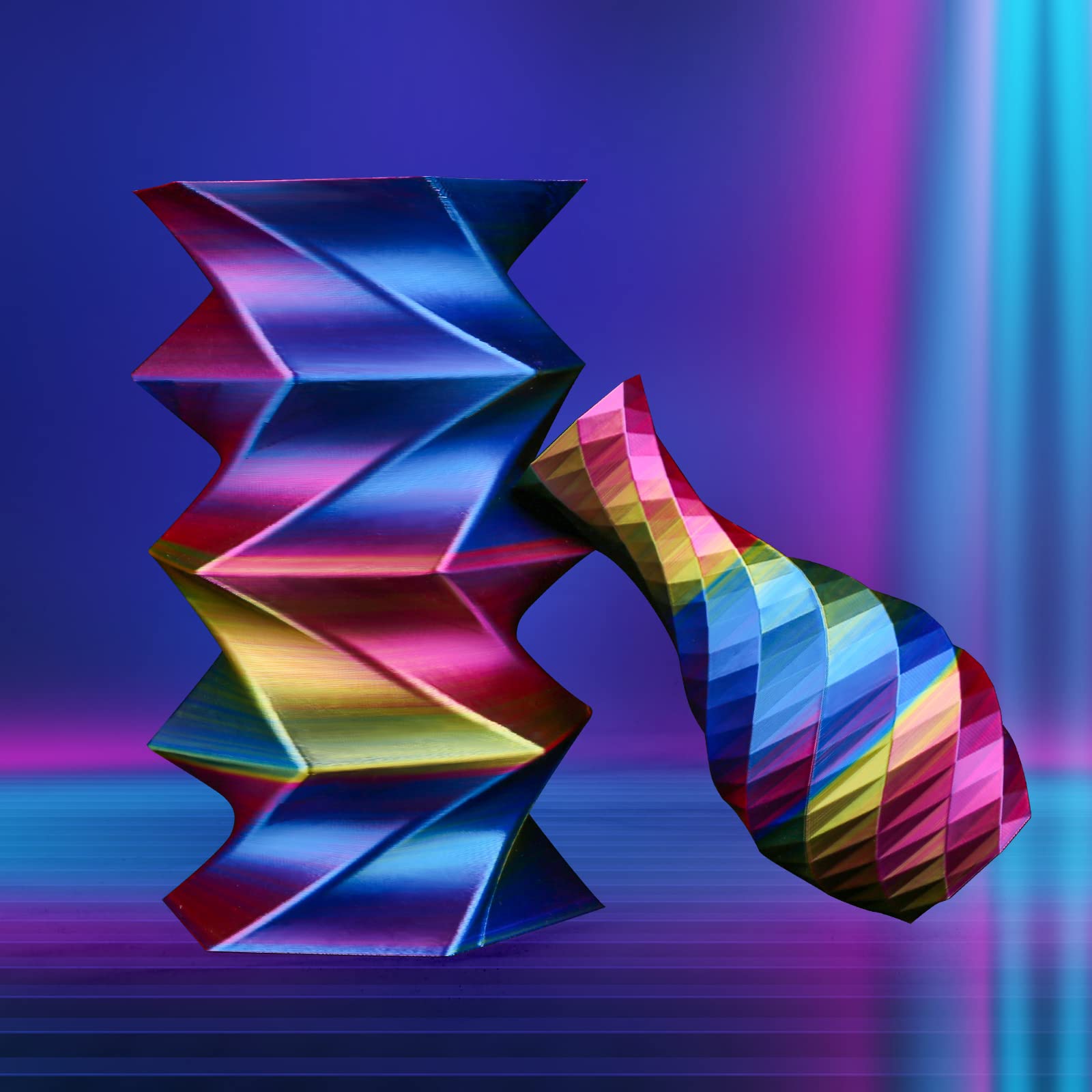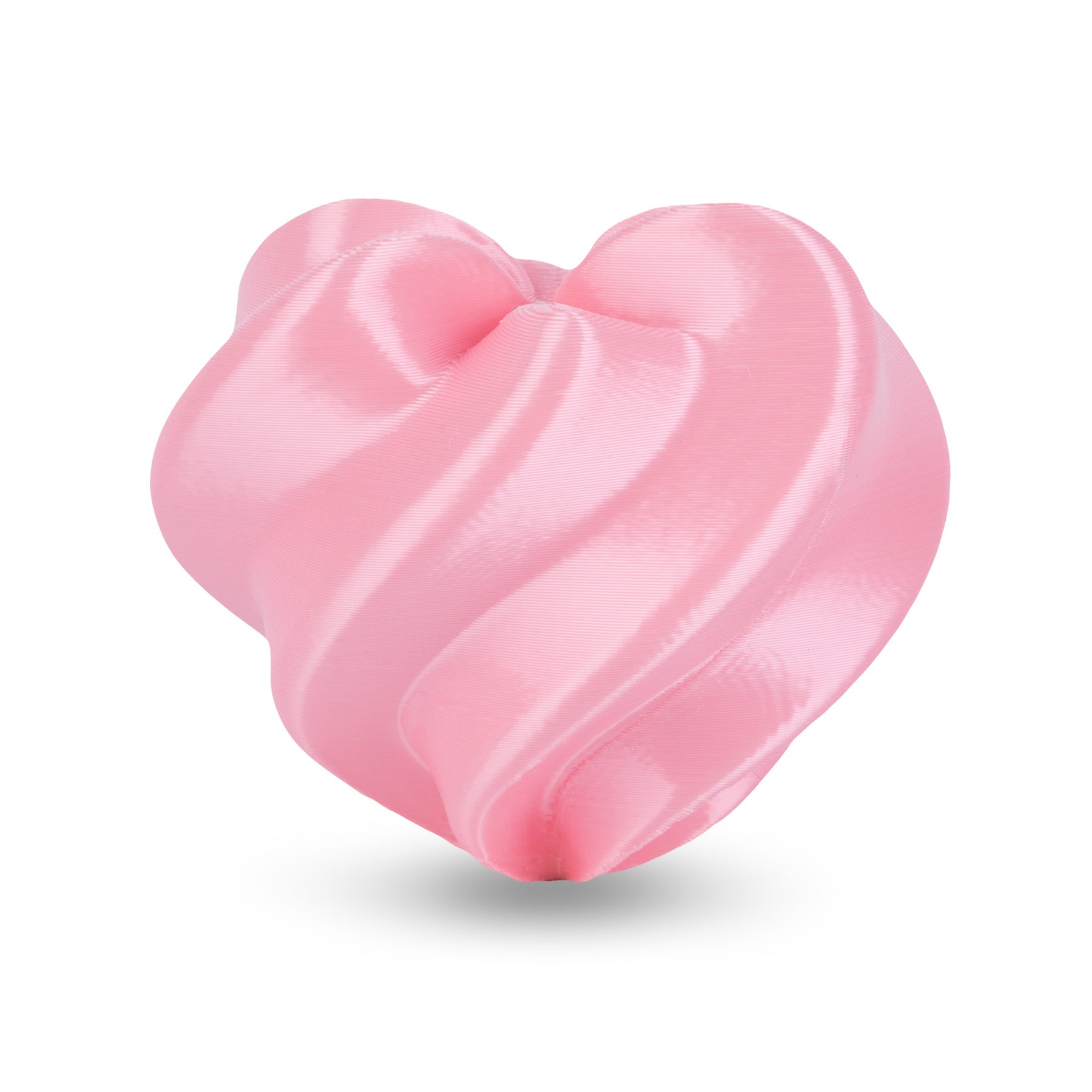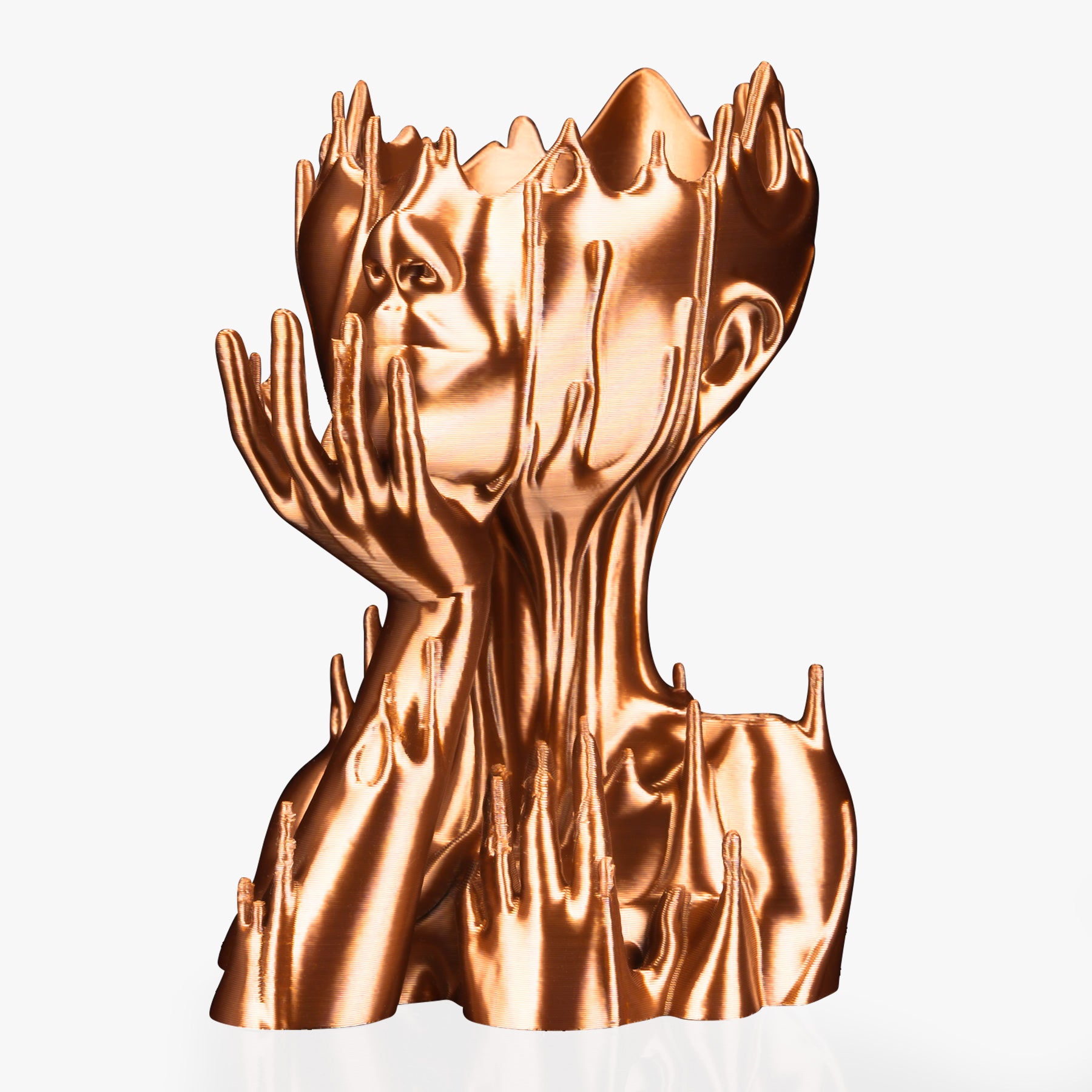
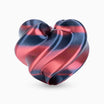

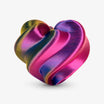

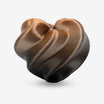

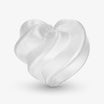
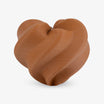
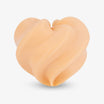
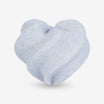
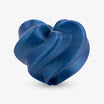
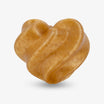

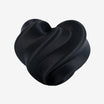
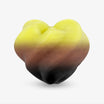


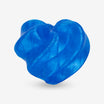


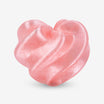

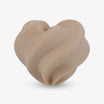
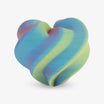
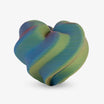

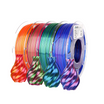
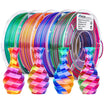


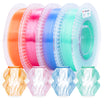
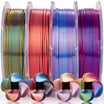

Choosing a Silk PLA filament is not just about picking a color. The way those colors are arranged can completely change how your finished model looks from the front, side, and back.
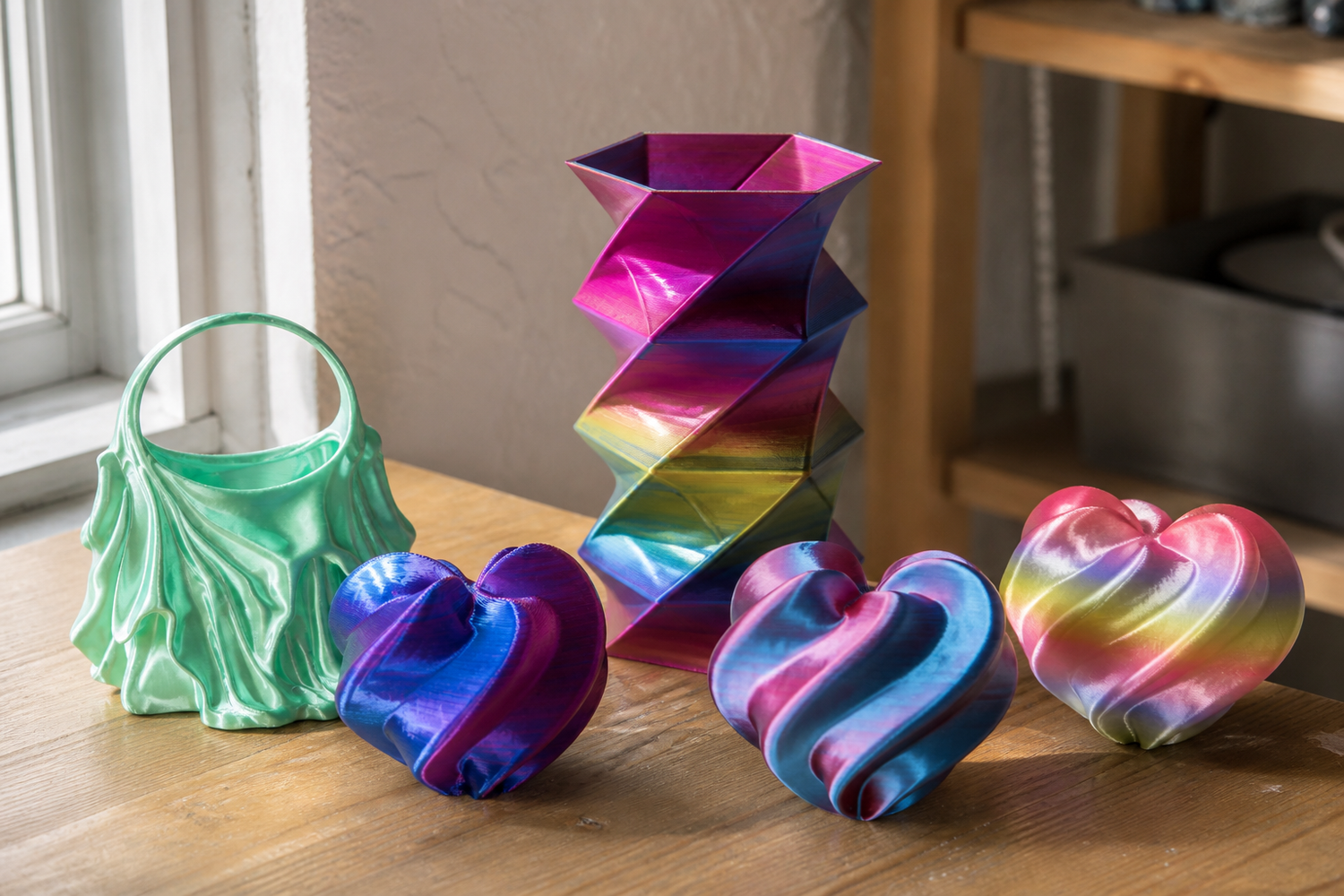
A single-color Silk PLA gives a model a consistent, polished appearance. Dual-, triple-, and quad-color options create different color faces that become visible as the model turns. Rainbow Silk works differently again, producing gradual transitions as more filament is used.
That means the best choice depends on more than your favorite color. Model size, surface shape, viewing angle, and the effect you want to create all matter.
In this guide, we will compare single-, dual-, triple-, quad-color, and rainbow Silk PLA filament so you can choose the right option for your next figure, fidget toy, sculpture, vase, or decorative print.
What Makes Silk PLA Filament Different?
Silk PLA is known for its smooth, reflective finish. Light moves across the surface differently than it does with standard or matte PLA, making colors appear richer and highlights more noticeable.
This effect can help curved surfaces look more sculpted, make simple shapes feel more finished, and give metallic colors such as gold, silver, bronze, and copper a polished appearance without painting.
With multicolor Silk PLA, the visual effect goes beyond shine. The number and arrangement of colors determine how the model changes as you view it from different directions.
In simple terms:
- Single-color Silk creates a consistent color across the model.
- Dual-color Silk introduces two colors that can appear on different sides.
- Triple-color Silk creates a more complex three-way color effect.
- Quad-color Silk adds four colors for the strongest viewing-angle transformation.
- Rainbow Silk produces gradual color transitions as the print consumes more filament.
None of these options is automatically better than the others. The right one is the filament that supports the model’s shape and the way you want people to experience it.
Single-Color Silk PLA: Clean and Consistent
Single-color Silk PLA is the best starting point when you want shine without a dramatic color shift.
Because the model maintains one primary color, the eye can focus on its shape, surface details, and reflective highlights. This makes single-color Silk a reliable choice for character models, trophies, logos, coasters, statues, decorative lettering, cosplay details, and display pieces.
A small character coaster printed in Mint Macaron Silk PLA, for example, keeps a fresh, consistent color while allowing the light to define the face, ears, and curved surfaces. Gold or bronze Silk can give a sculpture a traditional metallic appearance, while pink, blue, or green Silk can create a cleaner and more playful finish.
Single-color Silk is especially useful when:
- The model has a clear front-facing design.
- Small details need to remain visually easy to read.
- You want a coordinated set of prints in the same color.
- The shape is already complex and does not need another visual effect.
- You want a metallic or polished appearance without painting.
It is also the safest option for smaller models. When a design contains tiny features, text, or narrow sections, multiple colors can sometimes compete with those details. A consistent Silk color lets the geometry remain the focus.
Choose Single-Color Silk PLA When:
Choose single-color Silk when you want the surface shine to be the main attraction. It is ideal for clean presentation, recognizable characters, elegant home décor, and models where a consistent color supports the design.
Dual-Color Silk PLA: Two Looks in One Print
Dual-color Silk PLA creates a noticeably different effect. Two colors are arranged together in the filament, allowing different sides of the finished model to display different color combinations.
A model may appear mostly blue from one angle and shift toward red, gold, green, or another paired color when turned. On rounded or textured surfaces, the two colors can interact with the Silk finish to produce sharp highlights and dramatic contrast.
Dual-color Silk works particularly well for:
- Masks and helmets
- Dragon heads and fantasy creatures
- Vases and containers
- Busts and character sculptures
- Two-sided signs or desk decorations
- Models with clear left and right sides
Orientation is especially important with Dual-Color Silk PLA. Rotating the model before printing can change which color appears on the front, sides, or major features.
Before starting a large print, examine a short piece of filament from the end to see how the two colors are divided. A small test cube can then show how that color division appears on your setup. If the front of the model does not show the color you expected, rotate the model and repeat the test before committing to the full project.
Consistent extrusion also helps preserve a cleaner color boundary. Sudden changes in wall speed or flow can make the division appear less predictable. For projects where sharp separation is important, keep the main wall settings stable and preview the model carefully before printing.
Choose Dual-Color Silk PLA When:
Choose dual-color Silk when the model has a strong front, side, or two-faced design. It is a good balance between visual impact and control, giving the print a noticeable transformation without making the color pattern too busy.

Triple-Color Silk PLA: Designed for Every Angle
Triple-color Silk PLA introduces another level of movement. Instead of two primary color faces, the model can reveal three color regions as it turns.
This makes Triple-Color Silk especially effective for objects that are meant to be viewed from multiple directions. Sculptures placed in the center of a shelf, rotating display pieces, rounded vases, masks, animals, and fantasy figures can all benefit from the added variation.
Good models for Triple-Color Silk often have:
- Broad curved surfaces
- Three-dimensional details on several sides
- A rounded, spiral, or faceted silhouette
- Enough size for each color to remain visible
- A display position where viewers can walk around or rotate the object
A three-color combination can also help separate different parts of a complex sculpture visually. A raised section may catch one color, while a recessed area or opposite-facing surface reflects another.
However, more color does not always improve every model. A very small object with dense surface texture may make the three colors appear crowded. For the clearest result, select a model with larger surfaces and a recognizable overall shape.
Choose Triple-Color Silk PLA When:
Choose triple-color Silk when the model should look interesting from the front, sides, and back. It is particularly well suited to decorative sculptures, character busts, vases, helmets, and models displayed in open spaces.
Quad-Color Silk PLA: Maximum Movement and Contrast
Quad-color Silk PLA delivers the strongest multicolor effect in this comparison. With four colors contributing to the finished appearance, a model can seem to change repeatedly as it moves or rotates.
This makes Quad-Color Silk a natural match for articulated models and kinetic designs. A recent caterpillar slinky printed in Amolen PLA Quad Silk demonstrates why: as the segmented body bends and turns, different surfaces catch the light and reveal different colors. The movement of the model and the movement of the color effect work together.
Quad Silk is a strong choice for:
- Articulated dragons and animals
- Fidget toys and slinkies
- Spinning or twisting models
- Rounded containers
- Geometric sculptures
- Spiral and illusion designs
- Large fantasy display pieces
Continuous curves are especially effective because they create more viewing angles across the same model. Each curve can reflect a different part of the color combination, making the print feel more dynamic.
Quad-color Silk may be less suitable when you need precise control over one dominant front color. It can also overwhelm very small details. The purpose of Quad Silk is visual movement, so it performs best when the model gives those four colors enough surface area to appear.
Choose Quad-Color Silk PLA When:
Choose quad-color Silk when you want the finished object to create an immediate visual reaction. It is ideal for moving toys, rounded models, large decorative pieces, and designs that people will pick up, rotate, or view from multiple directions.
Where Does Rainbow Silk PLA Fit?
Rainbow Silk PLA belongs in the same family of eye-catching materials, but its color behavior differs from dual-, triple-, and quad-color Silk.
Dual-, triple-, and quad-color filaments are designed to show different colors across viewing angles. Rainbow Silk creates a gradual sequence of colors as the print consumes filament.
As a result, model size becomes especially important.
A small Rainbow Silk print may show only part of the available palette. A larger model consumes more filament and has a better chance of revealing additional transitions. Tall vases, large busts, dragon eggs, spiral sculptures, and display models are often good candidates because their size allows the color sequence to develop.
Rainbow Silk is useful when you want:
- Colors to change gradually through the model
- A flowing transition instead of separate color faces
- A different result each time the model size changes
- Large decorative pieces with natural color progression
- A softer and less symmetrical multicolor effect
If you want the left, right, and back of a model to display different colors at the same height, choose Dual, Triple, or Quad Silk. If you want the color to evolve as the print progresses, Rainbow Silk is usually the better choice.

How Model Shape Changes the Silk Color Effect
The same spool can produce very different results on two different models. Before choosing your filament, look closely at the model’s geometry.
Flat surfaces create more controlled color areas. They work well with Single or Dual Silk when you want the front of the model to remain easy to recognize.
Rounded surfaces reveal more viewing angles. Triple and Quad Silk can create stronger changes across spheres, curved characters, vases, and organic shapes.
Spirals and articulated sections add movement. Quad and Rainbow Silk work well on fidget toys, slinkies, dragons, helixes, and twisting sculptures.
Tall models consume more filament. This makes them better candidates for Rainbow Silk when you want to reveal more of the gradient.
Small detailed models need restraint. Single or Dual Silk may preserve facial features, lettering, and fine texture more clearly than a more complex color combination.
The most colorful filament is not always the best choice. Start with the model’s most important feature, then select the Silk effect that supports it.
Quick Silk PLA Selection Guide
Choose Single-Color Silk PLA for:
- Consistent color
- Metallic-looking sculptures
- Logos, lettering, and coasters
- Small characters and detailed models
- Coordinated collections
Choose Dual-Color Silk PLA for:
- Clear two-sided color effects
- Masks, helmets, and busts
- Models with strong front and side views
- Controlled color contrast
Choose Triple-Color Silk PLA for:
- Sculptures viewed from several directions
- Rounded vases and decorative objects
- Fantasy figures and animals
- More variation without the full complexity of four colors
Choose Quad-Color Silk PLA for:
- Articulated models
- Fidget toys and moving objects
- Spiral or illusion designs
- Large curved sculptures
- Maximum viewing-angle color change
Choose Rainbow Silk PLA for:
- Gradual color transitions
- Tall or large prints
- Vases, eggs, busts, and display models
- A flowing color sequence rather than fixed color faces
- Test Before Committing to a Large Print
Multicolor Silk PLA rewards a little planning.
Begin with a small sample model that includes flat and curved surfaces. Rotate it under normal room lighting and observe where each color appears. For Dual, Triple, and Quad Silk, test the model’s orientation before beginning a long print. For Rainbow Silk, consider whether the model is large enough to display the amount of color change you want.
Use the current recommended settings on the product page as your starting point. For the Amolen Silk products reviewed in this guide, the current product pages generally list a nozzle-temperature range of 210–240°C and a bed-temperature range of 30–65°C. The best result will still depend on the specific color, model, machine, build surface, and printing speed.
A small test is much less expensive than discovering after several hours that the dominant color is facing the back of the model.
Finally, photograph the finished object from more than one direction. A single front-facing image may not show what makes multicolor Silk special. Capture the front, side, back, and a close-up of the surface under soft lighting so viewers can understand the full effect.
Choose the Silk PLA That Supports Your Design
Single, Dual, Triple, Quad, and Rainbow Silk PLA each create a different visual experience.
Single Silk offers consistency. Dual Silk introduces controlled contrast. Triple Silk makes sculptures more interesting from every direction. Quad Silk adds the strongest sense of movement, while Rainbow Silk creates gradual transitions across larger prints.
The best choice is not simply the filament with the most colors. It is the one that works with your model’s shape, size, and intended viewing angle.
Explore Amolen’s Silk PLA Filament Collection, choose the effect that matches your design, and print a small test before bringing the complete model to life.